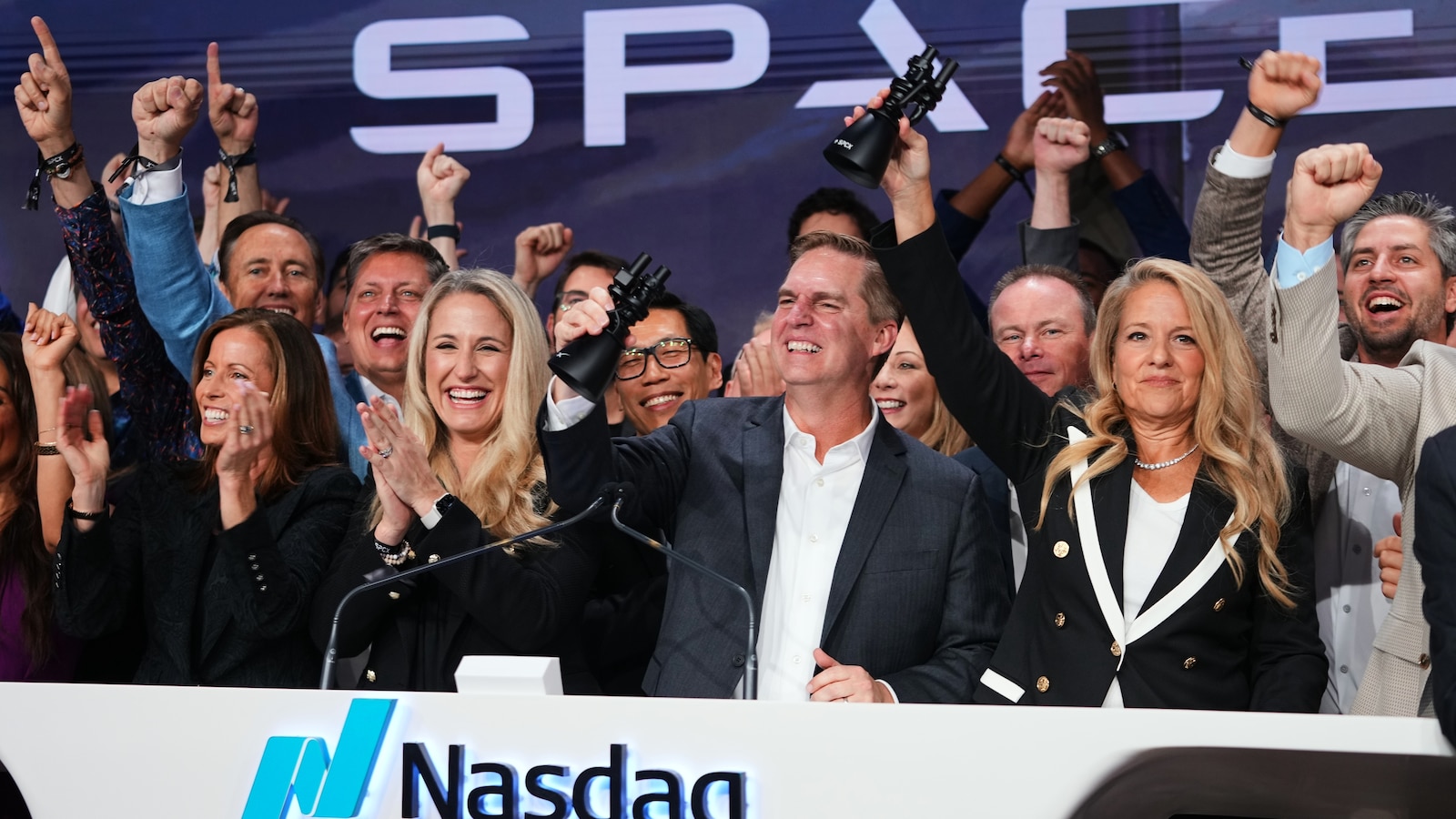
The article addresses retail investor concerns about exposure to high-profile technology and space-exploration ventures through passive investment vehicles. While SpaceX itself remains privately held, the piece emphasizes that mainstream portfolios—particularly index-based 401(k) plans—carry indirect exposure to the broader ecosystem of Elon Musk-affiliated entities through holdings like TSLA and other interconnected technology equities.
The core thesis centers on portfolio unavoidability rather than stock-specific catalysts. Investors believing they can sidestep concentrated risk in aerospace, electric vehicles, or speculative growth ventures often find themselves exposed through diversified holdings. This reflects the concentration risk embedded in modern passive indexing strategies, where mega-cap technology names dominate benchmark weightings.
The narrative highlights tension between investor sentiment toward high-volatility tech leadership and actual portfolio construction. Rather than presenting new fundamental developments, the article functions as a behavioral finance commentary on retail perception gaps. The implicit message warns that conviction-based avoidance strategies frequently fail in practice due to structural market dynamics.
Sector implication: Technology and Industrials sectors maintain elevated exposure to privately-held innovation ecosystems that feed public equity valuations. This creates latent correlation risk; public market pullbacks in growth or speculative segments could cascade into unexpectedly broad portfolio impacts for investors assuming adequate diversification.