Markets and oil prices react to Trump’s claims of a breakthrough in peace talks with Iran
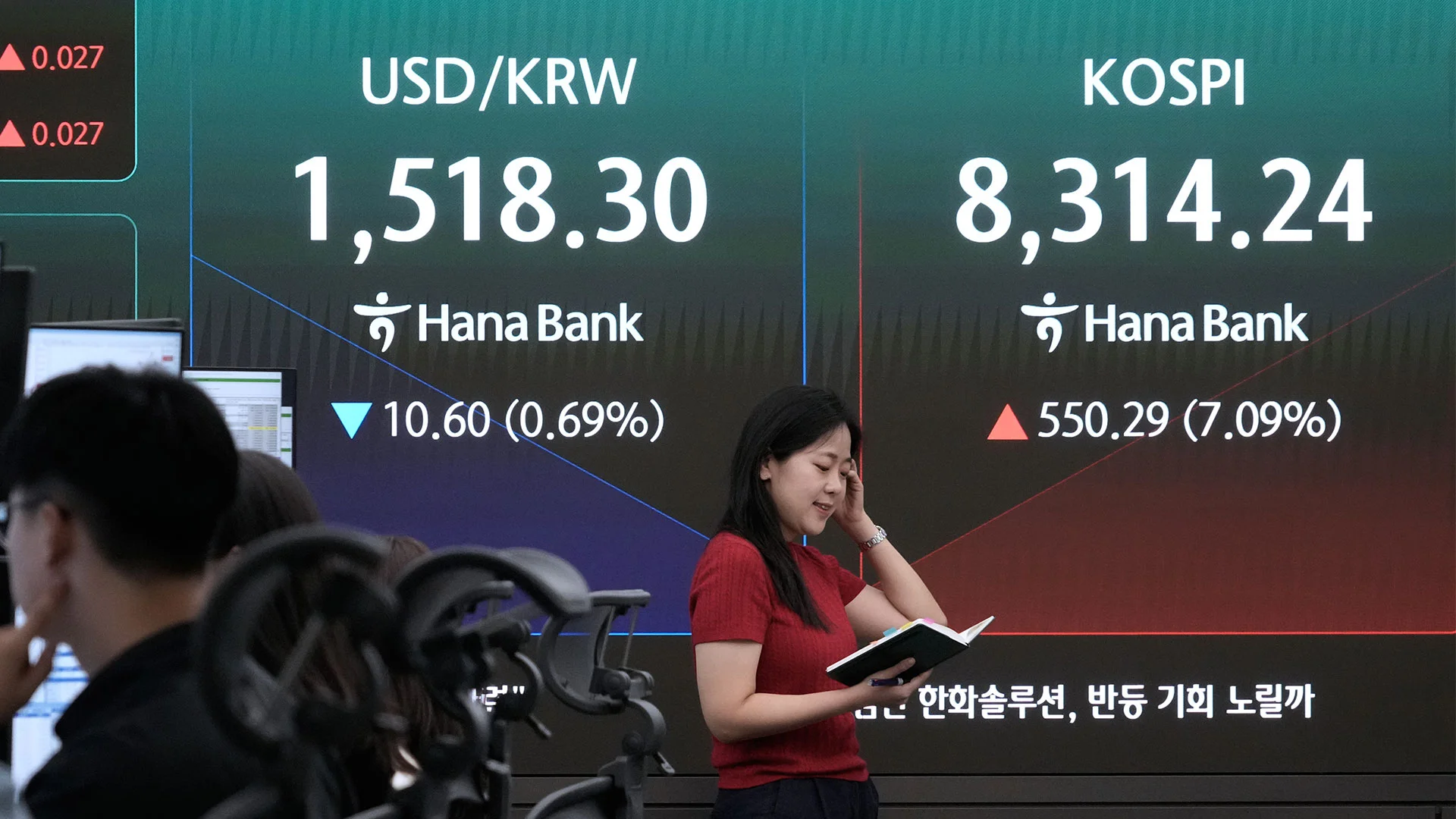
Trump's announcement of a potential breakthrough in U.S.-Iran peace negotiations, specifically regarding the Strait of Hormuz, triggered a significant repricing of crude oil futures. Oil price declines reflect market expectations that normalized diplomatic relations could ease geopolitical premium embedded in energy prices and increase global supply stability through one of the world's most critical chokepoints.
The immediate negative impact on energy equities (particularly integrated producers and exploration firms) reflects diminished upside from sustained elevated commodity prices. However, this dynamic creates offsetting benefits across consumer-facing sectors and transportation industries, which benefit from lower fuel costs and reduced inflation expectations. The broader market should respond positively if sustained peace reduces tail-risk volatility.
Energy companies face near-term headwinds as the market prices in lower realized prices per barrel, compressing upstream margins. Conversely, downstream refining and logistics may find improved spreads from elevated throughput and normalized crude differentials, though this benefit is secondary to headline producer losses.
Sector implication: Energy experiences pressure while Consumer Cyclical and Financial Services benefit from de-risking and lower cost-of-capital assumptions. The geopolitical risk premium unwind supports broad equity sentiment, particularly in rate-sensitive and consumption-dependent segments. Sustained peace negotiations would be structurally bullish for multi-year equity valuations.