Elon Musk recalls SpaceX’s journey from mere 10% chance of success to the world’s biggest IPO
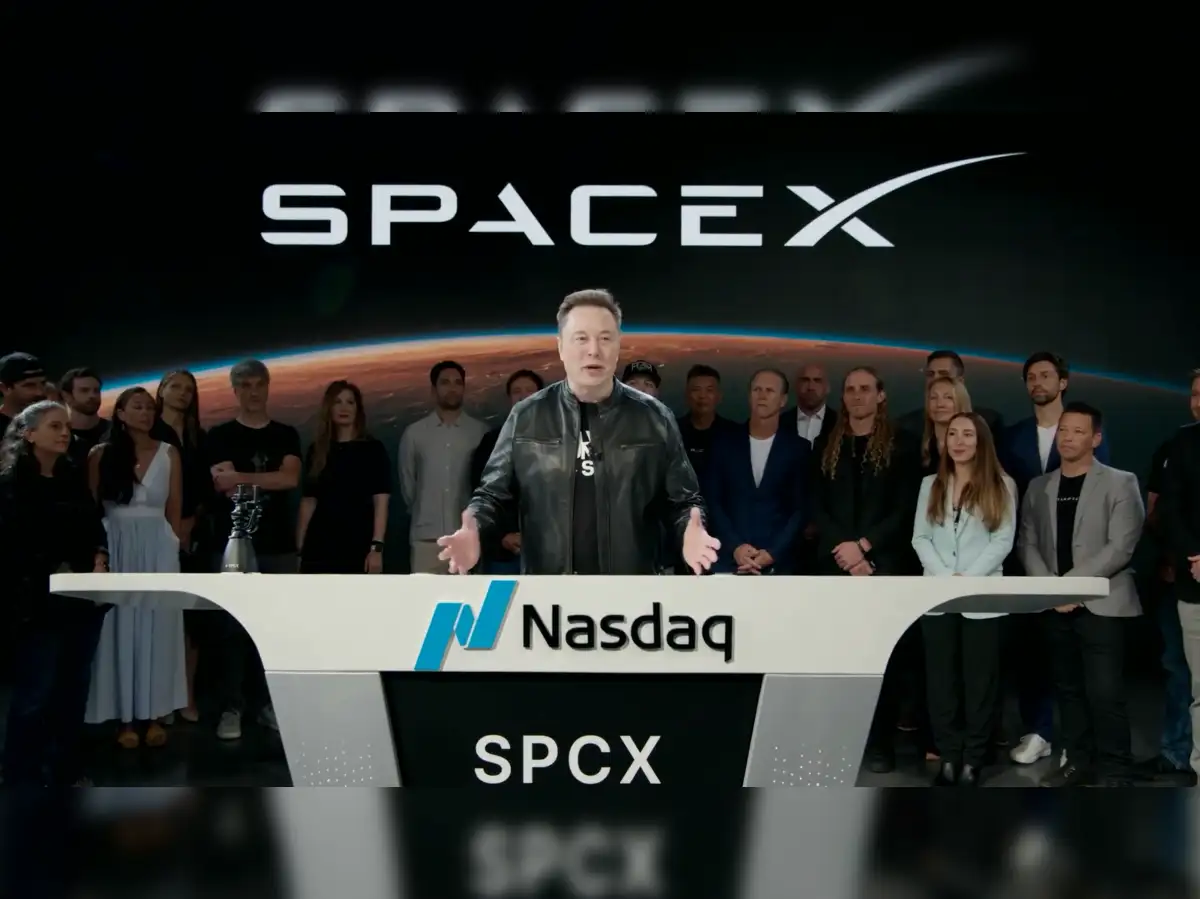
SpaceX's record-breaking IPO represents a watershed moment for commercial aerospace and venture-backed scaling. The $2 trillion valuation signals institutional confidence in reusable rocket technology and space commercialization as a legitimate, profitable sector. This magnitude of listing—described as the largest IPO ever—demonstrates sustained appetite for mega-cap growth stories despite broader market volatility.
The narrative arc from 10% survival odds to market dominance underscores how venture capital allocation and technological persistence can overcome initial existential risk. Musk's wealth milestone—crossing $1 trillion net worth—reflects concentrated ownership and equity appreciation rather than cash generation, but validates the market's conviction in his portfolio companies' long-term value creation.
Market implications are multifaceted: aerospace suppliers, satellite communications, and defense contractors may face either competitive pressure or partnership opportunities. The IPO inflow signals reallocation from traditional sectors toward high-growth, capital-intensive innovation plays. Broader equity indexes will absorb $2 trillion in market cap, adding to mega-cap concentration.
Sector implication: Industrials and advanced manufacturing gain momentum, while traditional defense and legacy aerospace incumbents may face valuation compression. The listing reaffirms investor appetite for founder-led, disruption-themed companies with tangible technological moats.