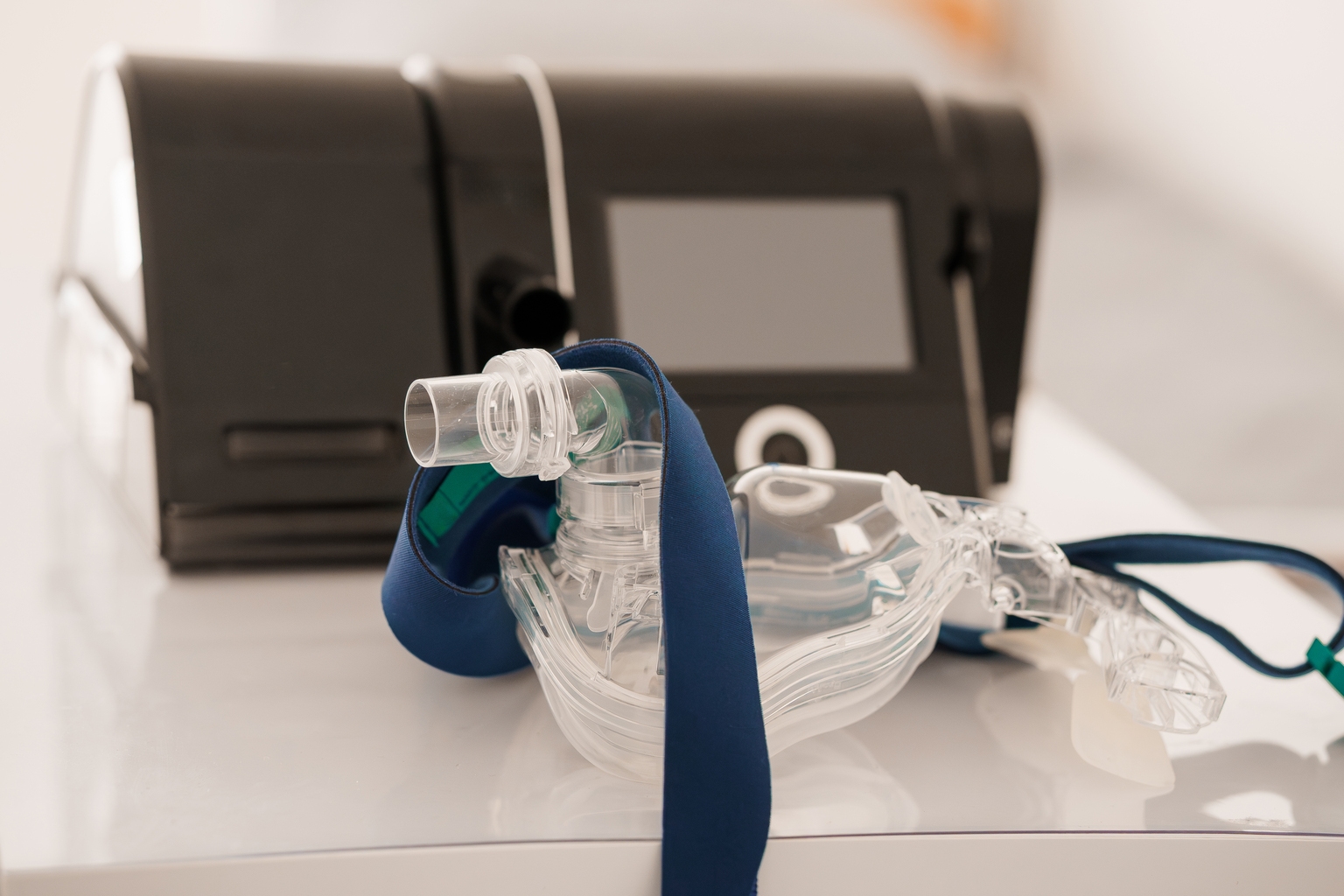
ResMed (RMD) faces recurring concerns about GLP-1 drug adoption eroding its core sleep apnea and respiratory care markets. This analysis contests that narrative, arguing that while some market share migration is inevitable as weight-loss medications reduce sleep apnea incidence, the residual patient base will be healthier and require more intensive management solutions.
The reframing hinges on a quality-versus-quantity trade-off. ResMed's installed base of devices, software, and cloud-connected diagnostics may face volume pressure, but the remaining patients typically represent more severe or treatment-resistant cases. This cohort demands higher-acuity interventions and compliance monitoring, which aligns with ResMed's digital health and data analytics capabilities.
From a profitability lens, losing lower-margin, high-volume segments while retaining high-margin, specialized solutions could support operating leverage and improve per-unit economics. The thesis implicitly values ResMed's transition from a device manufacturer toward a healthcare IT and software-as-a-service provider, where recurring revenue models are more defensible against commoditization.
Sector implication: This selective bullishness on Health Care reflects investor optimism that established medtech players can pivot away from market-share decline through product mix improvement and margin accretion, rather than pure volume growth.