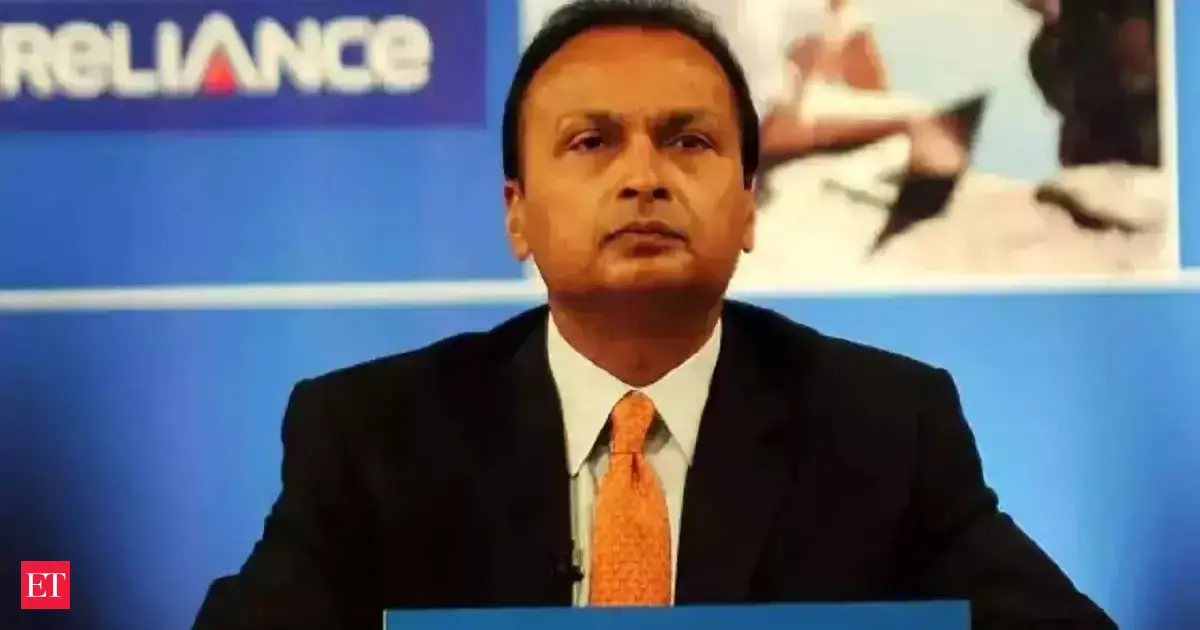
The NCLT admission of SBI's personal insolvency petition against Anil Ambani represents a significant enforcement action targeting a high-profile Indian business figure. The case centers on recovery of approximately Rs 1,200 crore (~$144M USD) in guaranteed debt obligations linked to Reliance Communications, a major telecom-sector asset that faced operational distress in prior years.
The decision carries broader implications for creditor recovery mechanisms in India's financial system and stress-tests the application of insolvency frameworks to personal guarantors—a pathway less commonly pursued at this scale. The retroactive application question flags potential legal uncertainty and regulatory precedent risk, which could influence future lender behavior and guarantee structuring across Indian corporates.
For SBI as the petitioner, this represents vindication of aggressive debt recovery posture but offers no near-term capital relief given litigation timelines. The reputational dimension—public proceedings against a prominent industrialist—may subtly influence investor confidence in financial sector governance, though the fundamental credit recovery thesis remains sound.
Sector implication: This action pressures Financial Services sentiment marginally, particularly legacy asset-quality concerns at large Indian public-sector banks. The case underscores extended recovery cycles and reinforces defensive positioning in credit-exposed financial equity, with minimal spillover to broader markets outside India-focused portfolios.