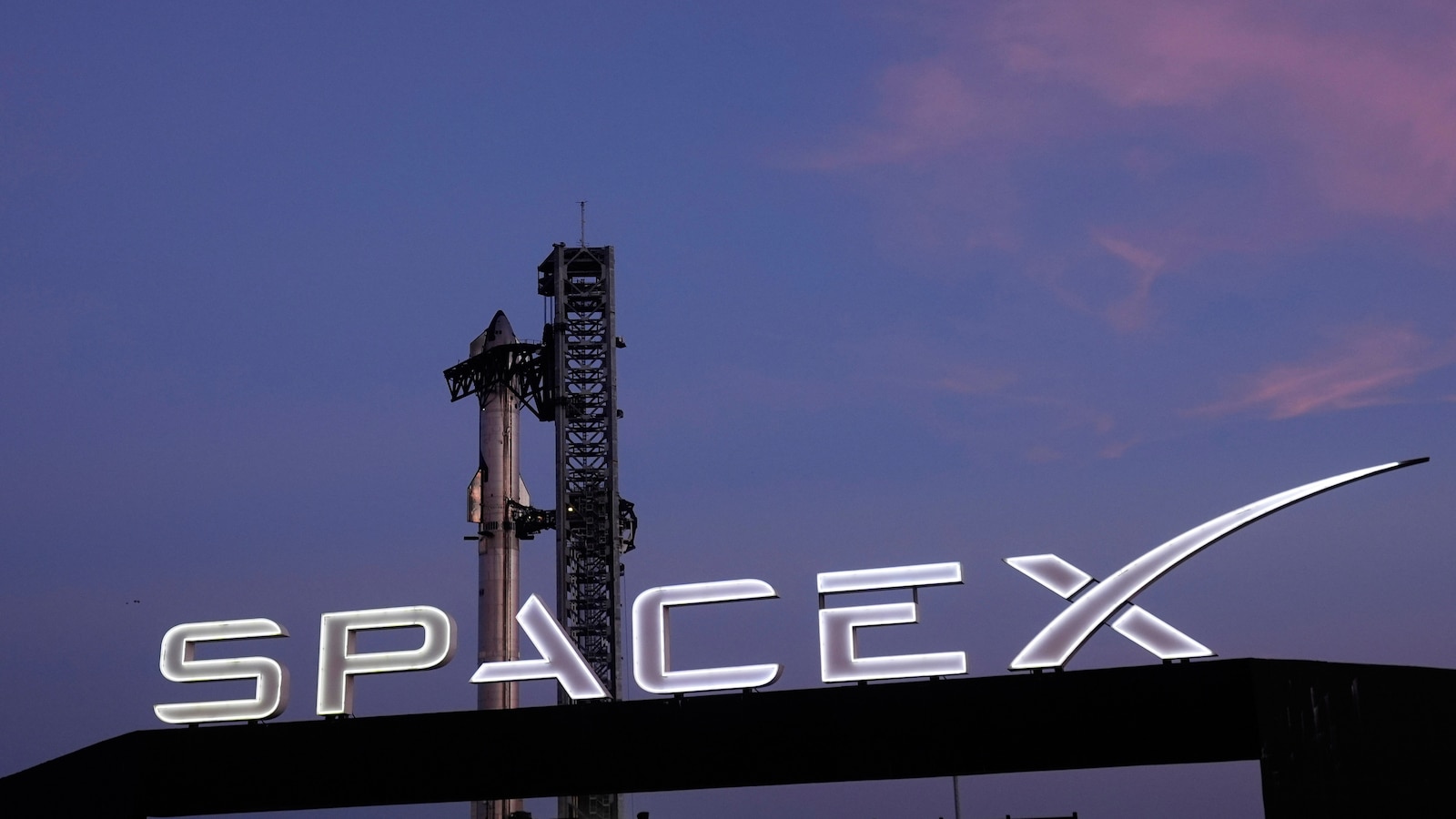
SpaceX's Wall Street debut represents a landmark capital-raise event for the commercial space industry, with 555.6 million shares priced at $135 each. This IPO signals institutional and retail appetite for aerospace/satellite infrastructure plays, marking a liquidity inflection for a previously private asset class that has consolidated venture funding for over two decades.
The flotation's magnitude and investor enthusiasm underscore shifting risk appetite toward space economy exposure. Existing public peers in satellite communications and launch services—particularly ASTS and warrant holders—face competitive and valuation pressure as SpaceX enters public markets with scale, profitability, and brand dominance. Capital flows may rotate toward the new entrant, creating near-term headwinds for smaller competitors.
From a macro lens, this IPO validates the space-tech sector's maturation and commercial viability, potentially catalyzing broader sector rerating. The $75 billion+ implied valuation reflects sustained institutional conviction in long-term revenue streams from Starlink, launch services, and government contracts, signaling confidence in secular demand trends despite near-term rate sensitivity.
Sector implication: Technology and Industrials benefit from innovation-driven capital formation. The debut may accelerate consolidation and investment in adjacent segments (satellite communications, advanced materials, propulsion). Investors should monitor relative valuations across the space ecosystem and monitor SpaceX's operational metrics post-IPO, which will inform sector growth multiples going forward.